


20ft Shipping Container Dimensions
A standard 20ft shipping container measures 6.058 metres long, 2.438 metres wide and 2.591 metres high externally, providing approximately 33.2 cubic metres of internal storage space. It’s a practical size for construction sites, commercial storage, household belongings and international freight.
Shipping Containers of Grangemouth helps customers across Scotland choose suitable containers for their requirements. Explore our shipping containers for sale, consider shipping container hire, or request a container quote with your delivery postcode and site details.
Before ordering, check the internal dimensions, door opening, loading capacity and available delivery space. A container might fit your proposed location but still require additional room for the delivery vehicle, crane and opening doors.
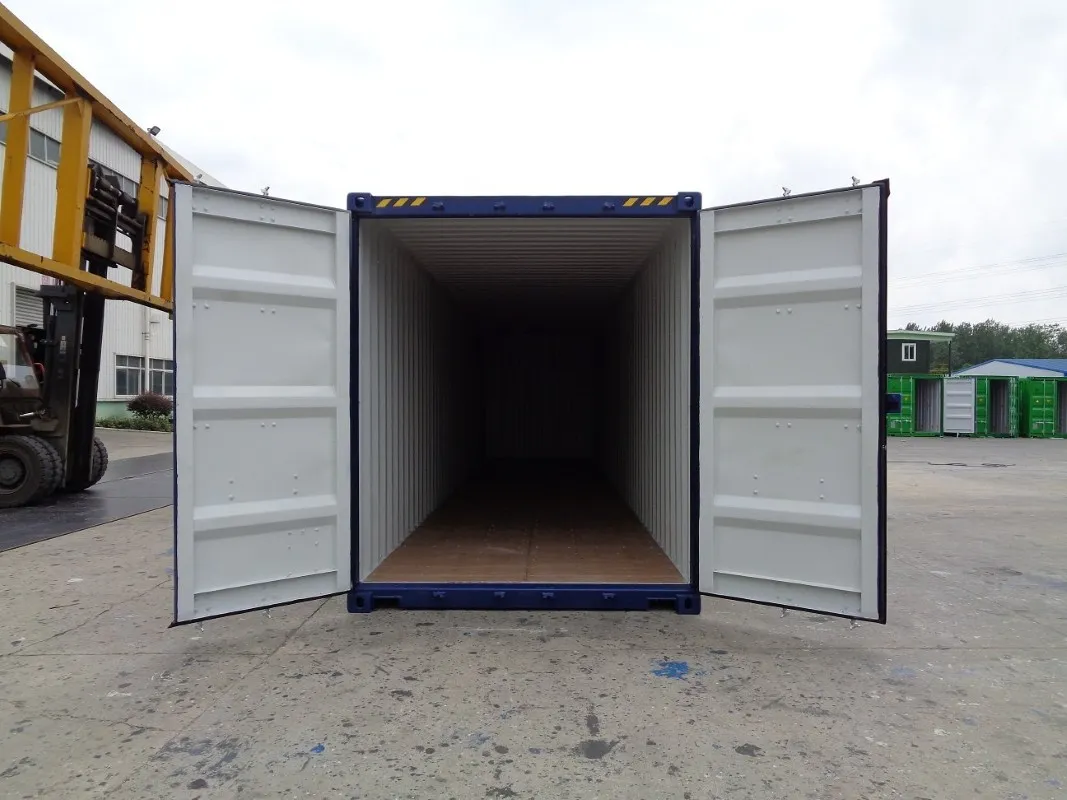
20ft Shipping Container Dimensions and Technical Specifications
The standard 20ft container is manufactured to ISO dimensional standards, allowing it to be handled by established shipping and transport equipment. Most general-purpose units have corrugated steel walls, double cargo doors and a timber floor supported by steel cross members.
The following measurements apply to a typical standard-height container. Check the individual unit against the 20ft shipping container specifications before planning a tight installation or loading unusually large equipment.
| Measurement Description | Imperial | Metric |
|---|---|---|
| External Length | 20ft 0in | 6.058 m |
| External Width | 8ft 0in | 2.438 m |
| External Height | 8ft 6in | 2.591 m |
| Internal Length | 19ft 4in | 5.898 m |
| Internal Width | 7ft 8in | 2.352 m |
| Internal Height | 7ft 10in | 2.393 m |
| Door Opening Width | 7ft 8in | 2.343 m |
| Door Opening Height | 7ft 6in | 2.280 m |
| Internal Volume | 1,172 cu ft | 33.2 m³ |
| Maximum Gross Weight | 67,200 lbs | 30,480 kg |
| Tare Weight | 4,850 lbs | 2,200 kg |
| Maximum Payload | 62,350 lbs | 28,280 kg |
Important: Internal dimensions, empty weights and payload limits can vary between manufacturers and container models. The measurements above are representative rather than guaranteed specifications for every unit.
Tare weight is the weight of the empty container. Payload is the maximum permitted cargo weight, while maximum gross weight includes both the container and its contents. These figures describe container ratings, not necessarily the amount a delivery vehicle can legally transport or lift.
Internal Space, Floor Area and Loading Capacity
A standard 20ft container provides approximately 13.9 square metres, or 150 square feet, of internal floor space. This makes it useful for storing tools, building materials, furniture, machinery and packaged stock.
For household storage, the available space may accommodate furniture and belongings from a small property, depending on how items are packed. Commercial customers should calculate storage needs using pallet dimensions, handling access and the height of their goods.
How Many Pallets Fit Inside a 20ft Container?
A typical 20ft general-purpose container can accommodate approximately:
- 11 Euro pallets: Measuring 1200mm x 800mm.
- 10 standard UK pallets: Measuring 1200mm x 1000mm.
These figures assume a suitable single-tier loading arrangement. Pallet overhang, packaging dimensions and the space needed to secure the cargo can reduce the number that fits.
For transport, use the container’s fitted lashing points and appropriate restraints to prevent cargo movement. Do not rely on the doors to hold unsecured goods in position.
Container Flooring and Weight Distribution
Many 20ft containers have marine plywood flooring approximately 27mm to 28mm thick, supported by steel cross members. Floor construction and condition should be checked before loading heavy equipment.
Although the container may have a substantial rated payload, concentrated loads require particular attention. Forklifts, heavy machinery and equipment supported on narrow feet can place significant pressure on individual sections of flooring.
Check the permitted floor loading and use suitable load-spreading arrangements where necessary. The container must also be properly supported underneath.
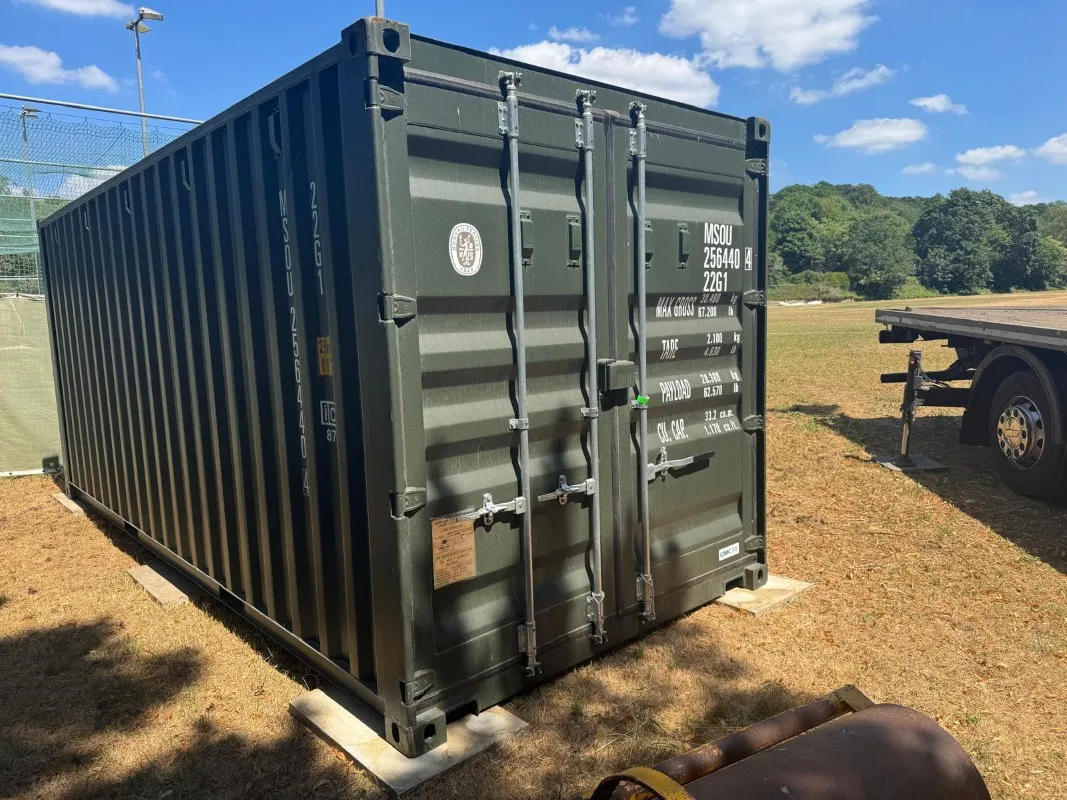
External Footprint and Space Needed on Site
The external footprint of a 20ft container is approximately 6.06 metres by 2.44 metres. This is the minimum physical area occupied by the container itself, not the total space needed for installation and everyday use.
Allow additional clearance around the double doors, particularly when loading bulky items or using a pallet truck. Leave enough working space for staff to move safely without blocking access routes.
If the container will sit beside a building, fence or boundary, consider drainage, ventilation and future maintenance access.
Comparing 20ft and 40ft Containers
A 20ft container is often easier to accommodate on restricted sites than a 40ft unit. It suits smaller storage areas where regular access is required, but extensive floor space is unnecessary.
If you need more storage capacity, compare the dimensions of a 40ft shipping container. The larger model has the same nominal external width but twice the external length, so delivery space and turning access become particularly important.
HIAB Delivery and Site Access Requirements
Delivery access is one of the most common practical issues when installing a 20ft container. Shipping Containers of Grangemouth can discuss the proposed location and the space available for vehicle access and unloading.
A HIAB is a lorry-mounted hydraulic crane used to lift containers from a delivery vehicle and position them on prepared ground.
Vehicle Access and Unloading Space
A rigid crane-equipped delivery vehicle may be approximately 12 metres long, although vehicle dimensions vary. Depending on the unloading arrangement, around 18 metres of working length may be needed.
The crane normally requires space for its stabilising legs, and the vehicle must be positioned within a suitable lifting distance of the proposed container location.
Before arranging delivery, check:
- Entrance width: Gates and access roads must accommodate the delivery vehicle.
- Turning space: Tight corners, parked vehicles and narrow approaches may prevent access.
- Crane clearance: The lifting area must be free from overhead obstructions.
- Ground strength: The vehicle and crane stabilisers need firm, adequately supported ground.
- Unloading position: There must be sufficient space to place the container safely in its intended orientation.
Actual clearance requirements depend on the vehicle, container weight, crane reach and lifting arrangement. The delivery provider should confirm these before transport is booked.
Preparing the Ground
Containers should stand on a firm, level base. Concrete, suitable hardstanding or properly prepared compacted aggregate may be appropriate, provided the surface has sufficient load-bearing capacity.
Concrete pads or suitable structural supports beneath the four corner castings can help maintain a level position. Check that the supports are stable and correctly positioned.
Uneven ground can cause the container to twist, making the cargo doors difficult to open or close. Soft grass, mud and waterlogged surfaces may also prevent safe delivery.
Overhead Restrictions
Check for telephone cables, overhead power lines, tree branches, building projections and roof overhangs along the access route and within the lifting area.
There is no single overhead clearance figure suitable for every HIAB operation. Required clearances depend on the lifting equipment and site conditions. Work near overhead electricity lines requires appropriate safety assessment and precautions.
20ft Container Types and Variations
The standard dry freight container is suitable for general storage and shipping, but other 20ft designs serve more specialised requirements.
20ft High-Cube Containers
A 20ft high-cube container has the same nominal length and width as a standard unit but measures 9ft 6in, or 2.896 metres, high externally.
The additional height can be useful for taller equipment or stacked stock. However, the increased overall height must be considered when planning transport and site access.
20ft Refrigerated Containers
A 20ft refrigerated container has insulated walls and integrated refrigeration equipment for temperature-controlled storage. Its internal capacity is lower than that of a conventional dry container, and it requires a suitable electrical supply.
20ft Open-Top Containers
A 20ft open-top container allows cargo to be lowered into the container from above. This is useful for machinery and equipment that cannot easily pass through standard end doors.
20ft Flat-Rack Containers
A 20ft flat-rack container has no conventional side walls or roof, making it suitable for certain oversized cargo loads. Loading, securing and transport arrangements must match the cargo and container specifications.
Buying or Hiring a 20ft Shipping Container
The decision to purchase or hire depends on the expected storage period, intended use and whether permanent modifications are required.
Buying a 20ft Container
Buying is generally worth considering when the container will remain in regular use for an extended period. Ownership also provides greater freedom to install shelving, partitions or other modifications, subject to structural and safety requirements.
When comparing shipping containers for sale, consider the difference between one-trip and used units.
A one-trip container is a recently manufactured unit that has typically completed one cargo journey before resale. These containers usually have fewer cosmetic marks than older equipment.
Used containers have generally spent more time in freight service and may show dents, repairs and surface corrosion. For storage, look for a wind and watertight unit, meaning its roof, walls and closed doors prevent wind-driven rain and water from entering.
For customers primarily storing household belongings or business equipment, storage containers for sale may also be suitable.
Hiring a 20ft Container
Hiring is practical for construction projects, temporary stock storage and other requirements with a limited duration.
A 20ft storage container hire arrangement avoids the need to retain a container after the project ends. Check the agreed hire conditions, delivery arrangements, permitted uses and collection requirements before proceeding.
Whichever option you choose, assess the container’s condition, door operation and suitability for the goods being stored.
Security, Condensation and Export Requirements
Keeping Stored Goods Secure
Standard containers use steel cargo doors with external locking bars. For additional protection, consider a suitable lockbox and heavy-duty container padlock.
A lockbox is a steel enclosure fitted around the padlock to reduce access to the locking mechanism. Its presence and condition should be checked when selecting a container for valuable equipment.
Managing Condensation
Condensation can form when moist air inside the container meets cooler steel surfaces. This is particularly relevant in Scotland, where temperatures and humidity can change considerably.
Keep stored goods dry, avoid blocking existing ventilation openings and consider moisture-control products where appropriate. Sensitive equipment, documents and fabrics may need additional protective packaging or controlled ventilation.
Using a 20ft Container for Export
Containers intended for international freight must meet applicable shipping requirements, including valid CSC approval where required.
CSC stands for the International Convention for Safe Containers. Its approval plate identifies important safety and weight information for the container.
Check the approval status, structural condition and shipping line requirements before arranging an export movement. A unit suitable for static storage is not automatically approved for international transport.
Planning Your 20ft Container Order
Before requesting delivery, establish what you intend to store, how frequently access will be needed and whether the container will remain in one position.
Provide Shipping Containers of Grangemouth with your delivery postcode, required container condition, intended use and any restrictions affecting access or placement.
For sites with narrow entrances, restricted turning space or uncertain ground conditions, include photographs and approximate measurements when discussing delivery arrangements.
You can request a quotation for a 20ft shipping container once you have confirmed your storage and site requirements.
Frequently Asked Questions
What are the exact external dimensions of a 20ft shipping container?
A standard 20ft shipping container measures 6.058 metres long, 2.438 metres wide and 2.591 metres high externally. These are standard ISO dimensions. Internal measurements can vary slightly between manufacturers.
Will a 20ft container fit in a standard car parking space?
A typical UK parking space is approximately 4.8 metres long and 2.4 metres wide. A standard 20ft container exceeds both measurements slightly in width and considerably in length. You will usually need a larger allocated area, together with sufficient space for delivery and access.
How much furniture fits inside a 20ft container?
A 20ft container provides approximately 33.2 cubic metres of internal space. Depending on furniture sizes and packing methods, it may accommodate the belongings of a small house or flat. Large wardrobes, sofas and appliances should be measured before loading.
What is the difference between a one-trip and a used 20ft container?
A one-trip container is relatively new and has typically made one cargo journey. A used container has generally spent longer in freight service and may show cosmetic wear, dents or previous repairs. Either may be suitable for storage, provided its condition meets the intended requirements.
How much does an empty 20ft shipping container weigh?
A typical standard 20ft container has a tare weight of approximately 2,200kg. The actual weight depends on the manufacturer, construction and fitted equipment. Check the individual container’s data plate before arranging lifting or transport.
Do I need planning permission for a 20ft shipping container in Scotland?
Planning requirements depend on where the container will be positioned, how long it will remain and what it will be used for. Temporary placement does not automatically remove the need for permission. Check with your local council’s planning department before installing a container, particularly in residential areas, conservation areas or on land with planning restrictions.
